
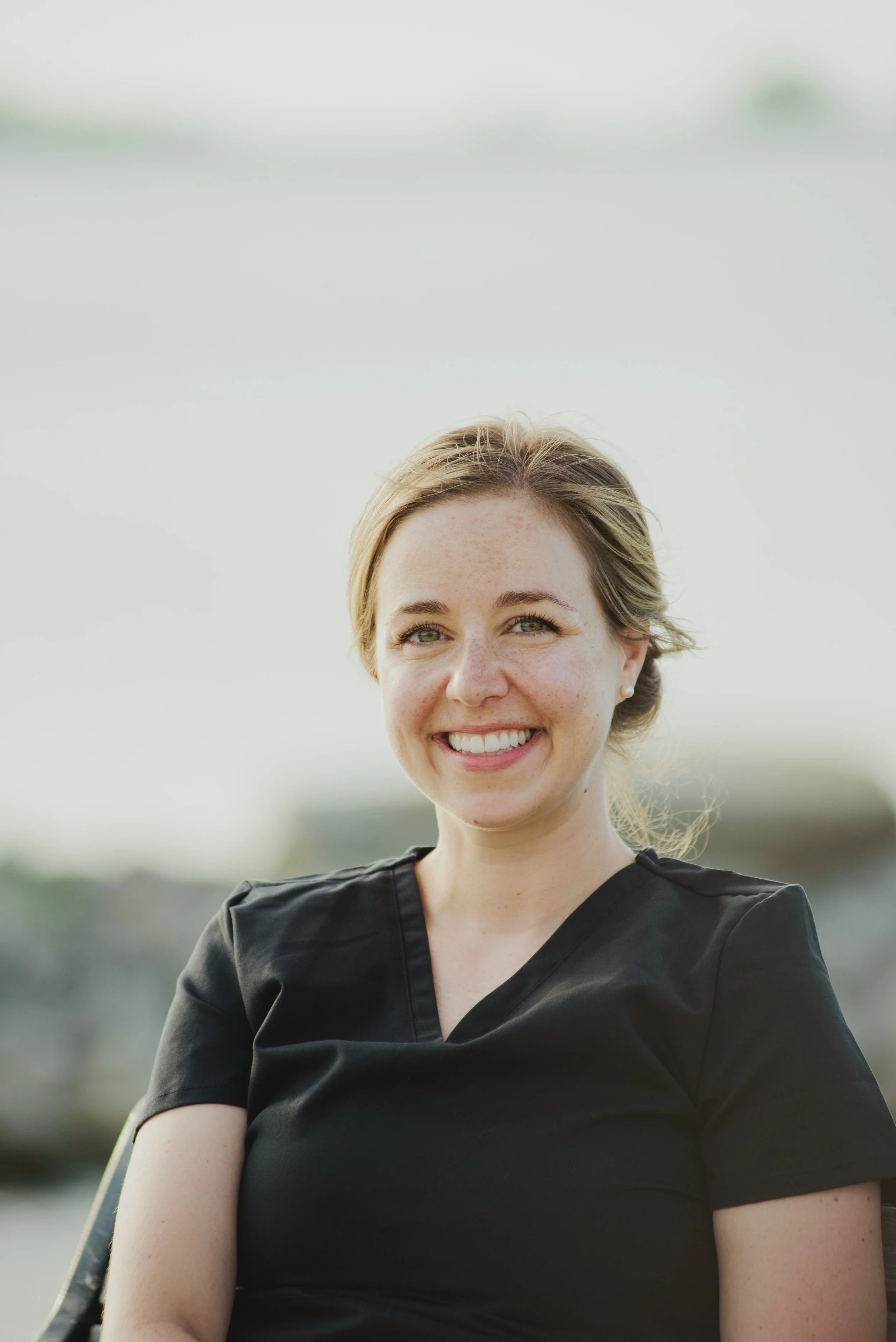
About Carly, RRDH, AOMT-C
With over two decades of experience in dental healthcare, I bring a unique combination of clinical expertise and personal understanding to myofunctional therapy. I graduated as a Registered Dental Hygienist in 2004 with honours and achieved independent practice eligibility in 2009. My extensive background includes specialized orthodontic experience and advanced training in restorative dental hygiene (2010), providing me with comprehensive insight into how oral function impacts overall health.
A Personal Journey That Changed Everything
My introduction to Myofunctional Therapy began when my daughter who was 2.5 at the time would stop breathing while asleep for long periods of time, nightly snoring, wetting the bed (after successful potty training), grinding her teeth, tossing and turning all night long, and was just exhausted from her lack of deep restorative sleep. This started my journey into the fascinating and life-changing field of Myofunctional Therapy.
The goal at a young age is prevention, early intervention, and growth guidance. After extensive research and countless hours of coursework, I have now been able to help a variety of patients of all ages on the path to better breathing and overall functioning.
I have undergone comprehensive training to achieve certification with the Academy of Orofacial Myofunctional Therapy (AOMT), specializing in the treatment of orofacial myofunctional disorders (OMDs) and as a MyoMunchee Certified Practitioner. I continue to focus on expanding my knowledge and science behind myofunctional therapy, along with a variety of online and in-person studies.
I was raised in Wasaga Beach and now reside in Collingwood with my partner Jeff and our daughter Grace, born in 2019. I love spending time with my family and friends, traveling, cooking (and eating!), running, hiking, snowshoeing, skiing, and just being outside.